
March 2026
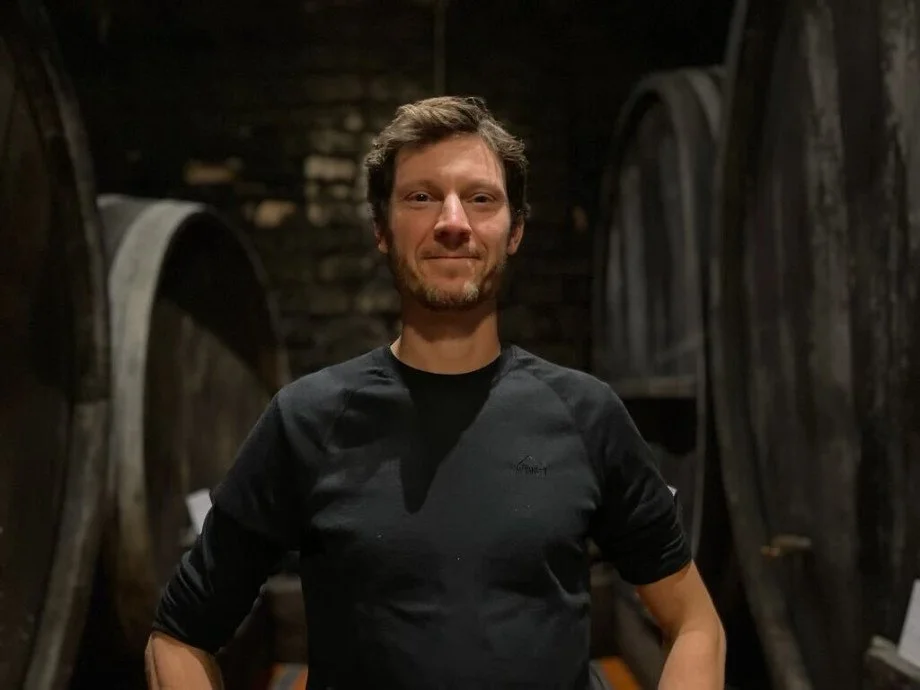
Marcel Deiss
Berckem 2022
Riesling, Other Varieties
Alsace, France
Alsatian wine is an enigma. We look to the history of Alsace to help explain the complicated past and present of the wine region. The region has flipped back and forth between French and German control, but has been most recently under French control since 1945 after the Nazis were defeated. Because of the many transfers of ownership throughout history, it’s created a locale with a distinct identity, with influence from both countries. That has trickled down into the styles of wines that are made here.
This Berckem is riesling dominant (50%), with the other 50% made of a field blend of pinot gris, gewurztraminer, sylvaner, and a few more stragglers. It is French in the way of showing elegance and poise, and German in the sense that it is riesling with a touch of residual sugar. While this wine is technically off-dry, the racy acidity of riesling makes it taste a bit less sweet than it is. Kind of like when making lemonade. If it tastes too sweet, add some lemon juice to balance it out.
To blend or not to blend? That is the question. Blending is one of many wine making philosophies in Alsace, and Marcel Deiss is a pioneer of the field blend ideals. He believes that terroir is showcased most through blending whatever grapes are being grown in a concentrated area. We love blends, and this wine is a prime example of a delicious blend that showcases a particular place and unique terrior.
Pairing: Raclette
Fun fact: The Deiss family has a long history of winemakers, but also has a long history of being blacksmiths and bell founders.
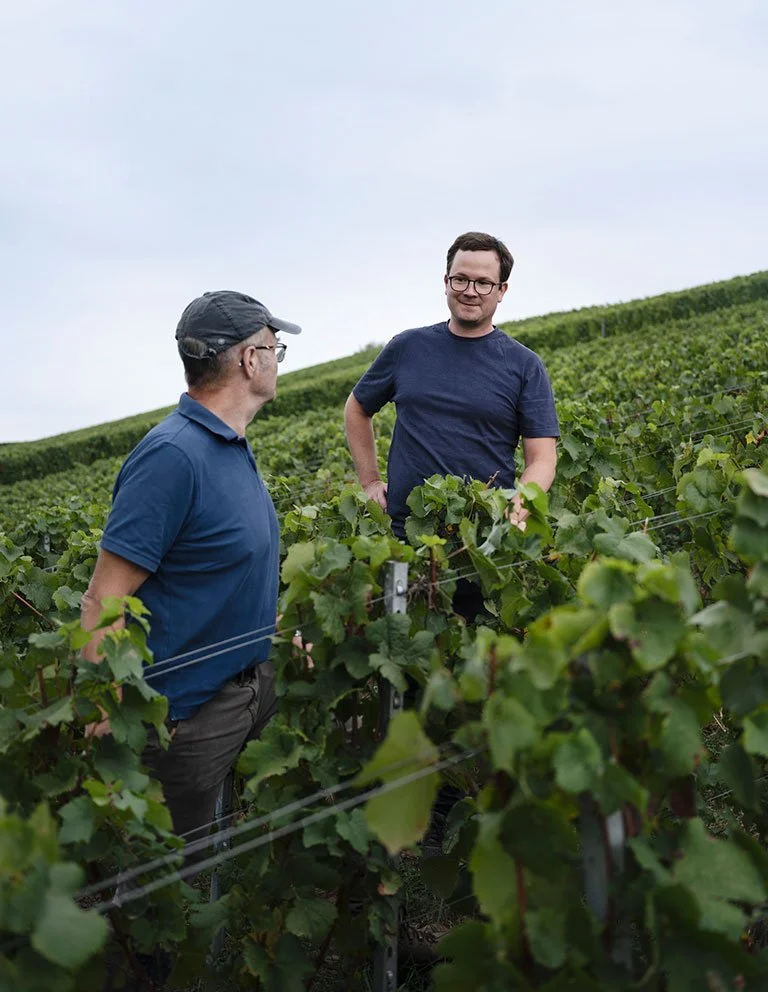
Fürst
Pur Mineral 2023
Riesling
Franken, Germany
You thought we were done with riesling? Nope! We love this grape and aren’t afraid to admit it. This wine is a fun comparison with the Berckem because they are quite different. As we mentioned, France and Germany tend to have different approaches to making wine. While not always the case, Germany tends to be known for making sweeter rieslings, especially in the Mosel region. (That identity is, arguably, slowly shifting.)
This riesling, however, is dry! Not quite an antithesis to the typical German style of riesling, but maybe a bit of a divergence. It still has that quintessential racy acidity, just without the sweetness. There is still enough body in this wine that it doesn’t need to rely on sugar like Mosel rieslings do. It’s also been aged on the lees, or spent yeast, for 6 months which helps balance the tart nature of this wine.
Franken, where this wine is made, is just south of dead center in Germany. As one of the warmer regions in Germany, riesling is actually a lesser-grown grape here. Known more for varieties such as müller-thurgau, sylvaner, and pinot noir means this wine is unique, with a juicier and riper fruit profile. A wine that is more than happy to welcome in the warmer days ahead, and pairs wonderfully with a book on the back deck. We’re excited about this one!
Pairing: Sheet-Pan Crispy Pork Schnitzel
Fun fact: Jancis Robinson has called the Fürst estate “Pinot Magicians.”
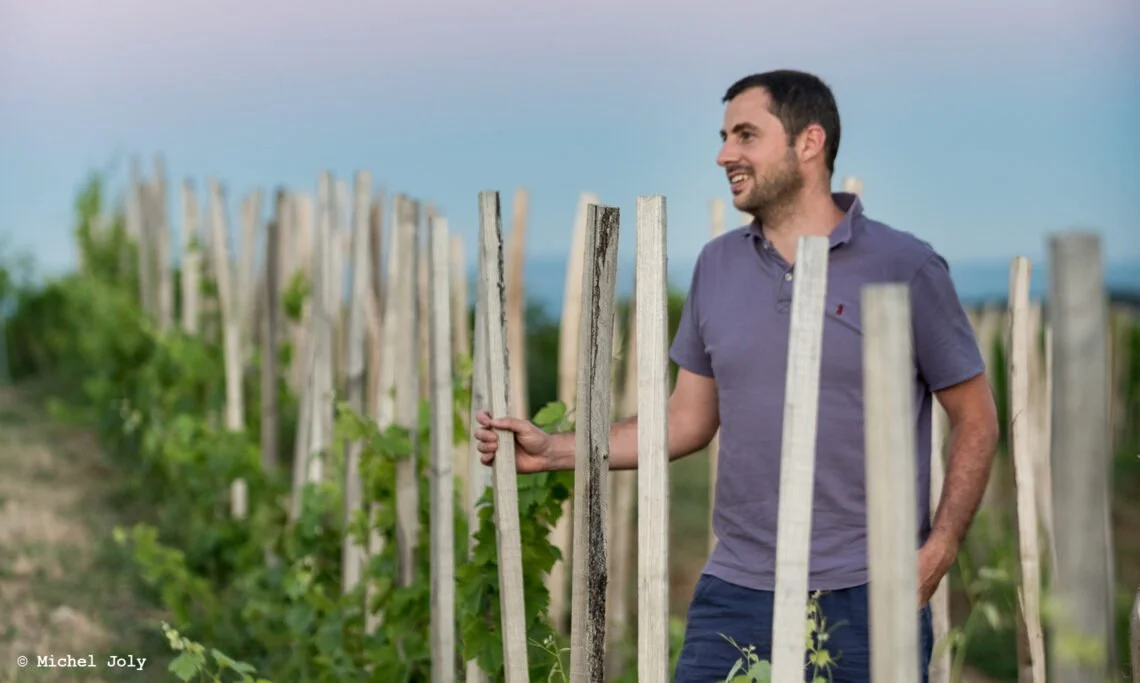
Jean-Baptiste Souillard
Crozes-Hermitage 2022
Syrah
Crozes-Hermitage, France
One thing that we hope you are starting to discover is that there is immense diversity in the world of wine. A great example of the vastness of the world of wine is the many different identities of syrah. Stretching from areas like the Barossa Valley in Australia (where they call it shiraz), to the Rocks vineyards in Walla Walla, to the Rhone Valley and beyond. They are all syrah, and they are all different. That diversity makes wine fascinating and exciting, with always more to learn and explore.
Jean-Baptiste Souillard is a rising star of the Northern Rhone. He has worked all over the world in New Zealand, Australia, California, Bordeaux and Burgundy. He is bringing all of that experience to his little slice of the earth. With a focus on balance and elegant expressions, he only makes tiny quantities of wine so as to not sacrifice quality. With a farming practice of lute raisonnée, he allows vines to struggle which gives concentration and quality to the final juice.
Souillard uses an old school approach to wine making in the Northern Rhone. Large, neutral oak barrels are used with no fining or filtration at the end with the belief that lower intervention gives more flavor to the wine. We sure think it does. Northern Rhone syrah is one of our favorite wines. We can’t wait to hear what you think about this one. Cheers!
Pairing: Dijon and Cognac Beef Stew
Fun fact: Souillard has a focus on vins de garde which means wines that are meant for aging.